
Sun Damage and Photoaging
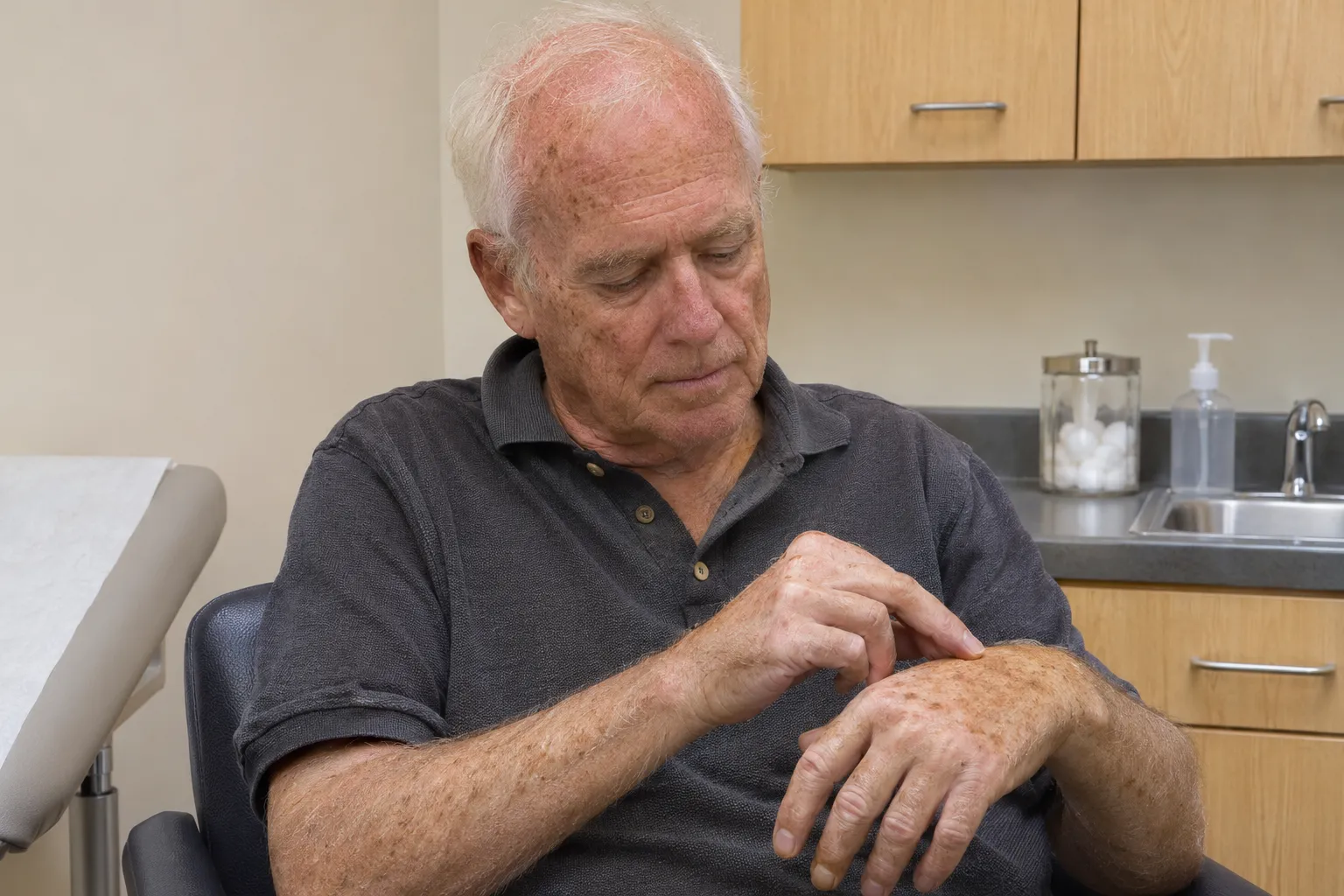
Cleveland Clinic states that photoaging is the premature aging of your skin due to ongoing exposure to ultraviolet A (UVA) and ultraviolet B (UVB) radiation. The Skin Cancer Foundation says photoaging is responsible for 90 percent of visible changes to the skin and is a direct result of cumulative sun damage you’ve been exposed to throughout your life.
What to gather: your sun history
Write down where you have spent your sun hours, which years were heaviest and what protection you used. Note the marks you want looked at, with the date you first saw each. Because this site writes from Merced for readers across Madera County, include your everyday outdoor routine around home, not only your vacations.
Spots first, then facial pigment
- Liver Spots and Age Spots is the first page to read if you have a spot in mind.
- Melasma and Facial Pigmentation is the page to read if your concern is pigment on the face.
Reading the background material first
Four public pages give you the vocabulary before the appointment. The U.S. Food and Drug Administration explains the risks of tanning, and the World Health Organization has a question-and-answer page on ultraviolet radiation. The US EPA covers the health effects of UV radiation, and Cleveland Clinic has a longer piece on sun-damaged skin and photoaging.
How practitioners rank your marks
The definitions above come from published sources and stay fixed. How a practitioner prioritizes your marks, and which treatment they propose first, is the part that varies, so bring your ranked list and ask why they chose their order.
A spot or facial pigment: your next page
If you are looking at a particular spot, begin with the first entry in the list above. If your concern is facial pigment, open the second.