
Chemical Peels Explained
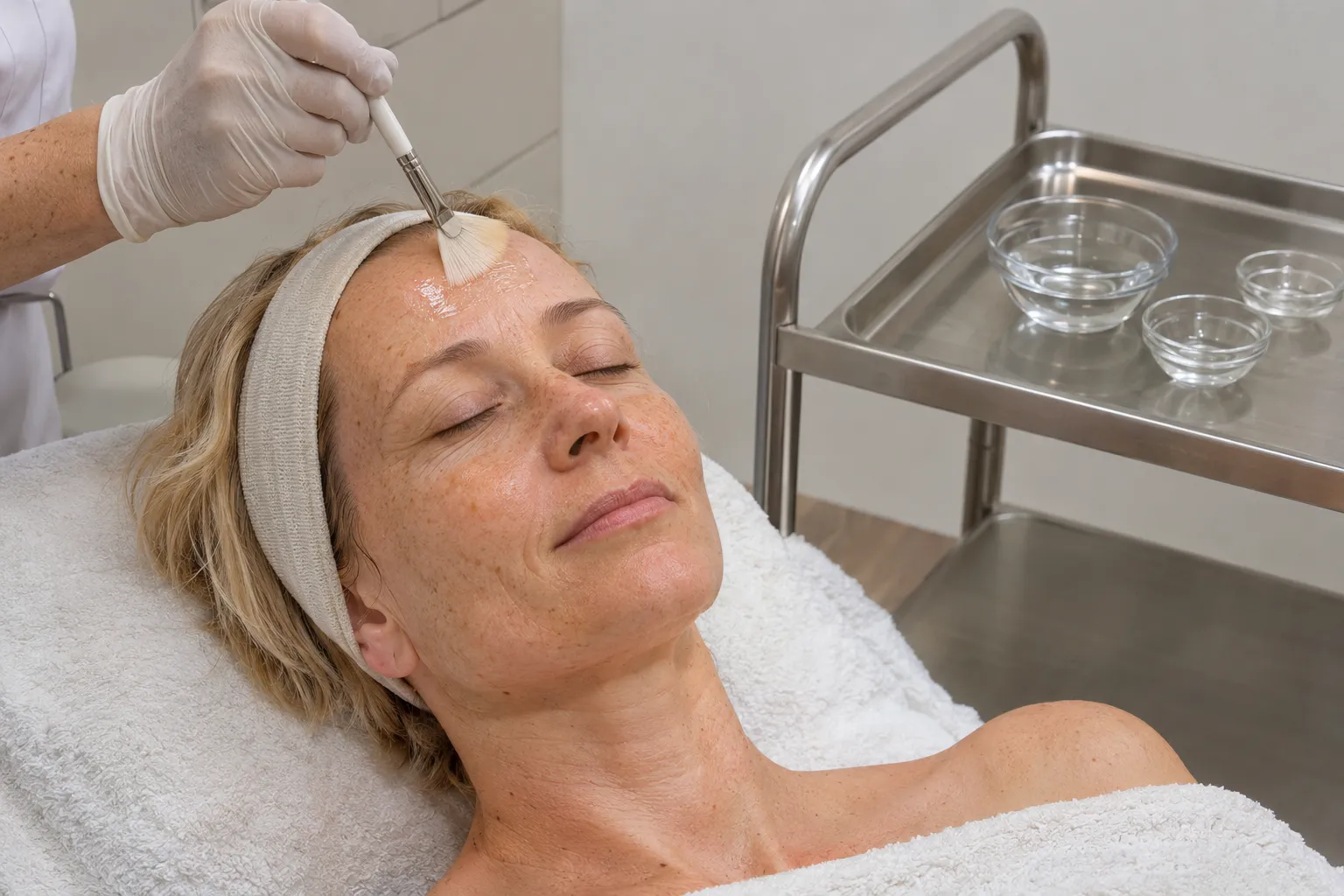
The American Society of Plastic Surgeons states that a chemical peel uses a chemical solution to improve the texture and tone of your skin by removing the damaged outer layers. Preparing for one starts with deciding how deep you want to go.
Your peel goals and downtime, written down first
Write down what you want the peel to change and how much time you can spare afterward. Ask each clinic which depth it recommends for you, and which solution it would use. If you have been weighing an at-home version instead, the beginner's guide to at-home chemical peels from Healthline shows what that route looks like on paper. We work from Merced, and the same peel questions hold for clinics anywhere in Madera County.
The peel guides from depth to recovery
- Peel Depths From Light to Deep comes first, because the other choices are easier once you have a depth in mind.
- Peel Agents and Their Strengths covers the solution that does the work.
- Recovery After a Chemical Peel covers the days that follow.
Depth, solution and downtime: where advice varies
The definition above is shared ground. Which depth, which solution and how much downtime to plan for are the points where one practitioner's advice can differ from another's. The question do chemical peels work is a useful second read before you sit down with anyone, and your own written answers to the questions above make that conversation shorter.
Matching your peel stage to a guide
If you have not chosen a depth, begin with the first entry in the list. If you have a depth in mind, move to the second. If your peel is already booked, go to the third and clear your calendar first.